
Anomaly Detection in Time Series for Optimizing Operations
Leverage Machine Learning techniques to improve the reliability of plant operations with anomaly detection for flow meters.

UPM is a leading Finnish forest industry company that has transformed into a global "material solutions" provider. The company operates across six business areas: Fibres, Energy, Raflatac, Specialty Papers, Communication Papers, and Plywood. Headquartered in Helsinki, UPM employs approximately 17,000 people and maintains production plants in 11 countries, including significant pulp mill operations in Finland and Uruguay. The company is currently driven by its "Biofore" strategy, which focuses on creating a future "beyond fossils" by innovating renewable and recyclable alternatives to fossil-based materials.
The Challenge
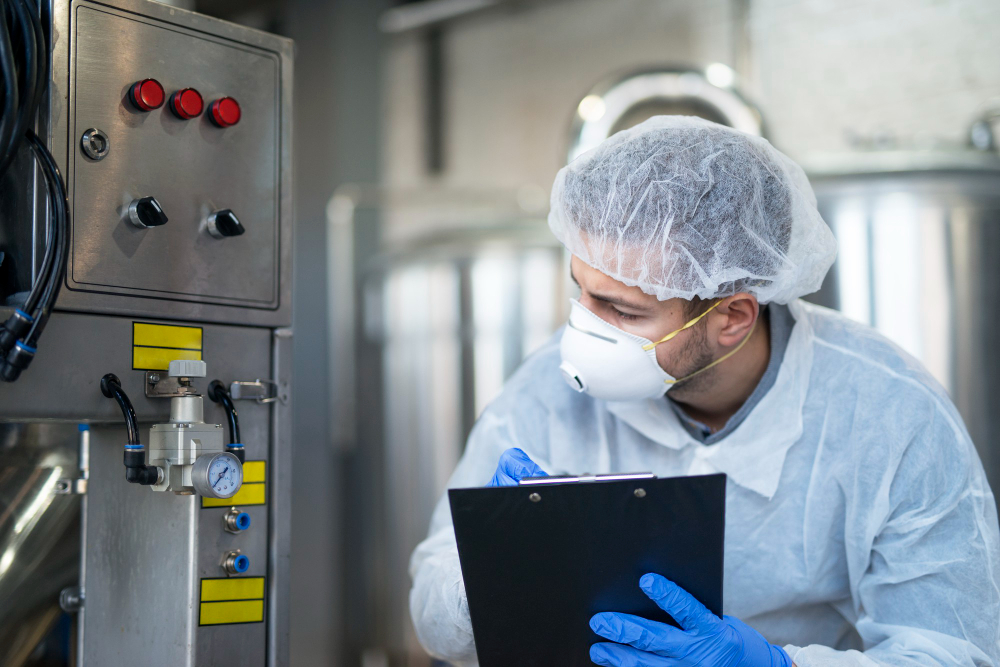
UPM needed to identify and predict anomalies in flow meter measurements, as these could cause equipment failures. The challenge encompassed three distinct scenarios:
1. Correlated control and measurement variables.
2. Measurement variables with suspected correlations
3. Independent measurement variables, with no evident correlation to the process.
This required a Machine Learning model capable of addressing all three cases, considering the non-stationarity and variability in the flow meter data ranges.

The Solution
We implemented a PoC (Proof of Concept) using ML techniques to detect deviations in normal operating patterns. The results were:
- Improved Anomaly Detection: The models successfully identified both univariate and multivariate anomalies, reducing false positive and negative rates within the thresholds defined by UPM.
- Operational Efficiency: Real-time anomaly detection allowed UPM to proactively address failures, minimizing downtime.
- Scalability: The generalized approach allowed its application in different scenarios and types of equipment, ensuring long-term adaptability.
Impact

Ecuador's Department of Homeland Security

Equus ID

Tonal
Ready to jump on the next big thing?
Unlock the power of AI and Machine Learning with our cutting-edge solutions.