What is OCR? Why Does It Matter?
OCR stands for Optical Character Recognition, the process of converting different forms of textual content into machine-readable data. Textual content can be present in both scanned documents and images, and it can be either printed, typewritten or handwritten.
In its early days (between the late 19th century and the early 20th century), the main motivation for optically recognizing characters from printed text was expanding the corpus of books that the blind could read, which at the time was limited to those printed in braille. Nowadays, this technology has become indispensable for organizations aiming to digitize both their legacy archives and workflows, automate manual data entry, and improve operational efficiency.
OCR technology plays a crucial role in industries that manage large volumes of documents and require fast and accurate data processing. By converting physical data into a digital format, OCR facilitates real-time accessibility, improves decision-making, and contributes significantly to cost reduction.
How Does OCR Work?
Since OCR is a long-standing problem, different historical approaches to solving it include the use of pre-AI techniques such as Hidden Markov Models (HMMs). Nowadays, OCR technology usually involves a combination of multiple AI techniques, including Machine Learning (ML), Deep Learning (DL), Computer Vision (CV), Natural Language Processing (NLP) and Intelligent Character Recognition (ICR), a term mostly used in the industry and not so much in academic research nowadays, where Handwritten Text Recognition (HTR) is preferred.
A typical OCR pipeline includes the following steps:
- Preprocessing: This step involves cleaning the input images, enhancing text clarity by removing noise and correcting distortions.
- Text Detection: Usually using CV models, a system identifies text regions, filtering out non-text elements such as logos or images.
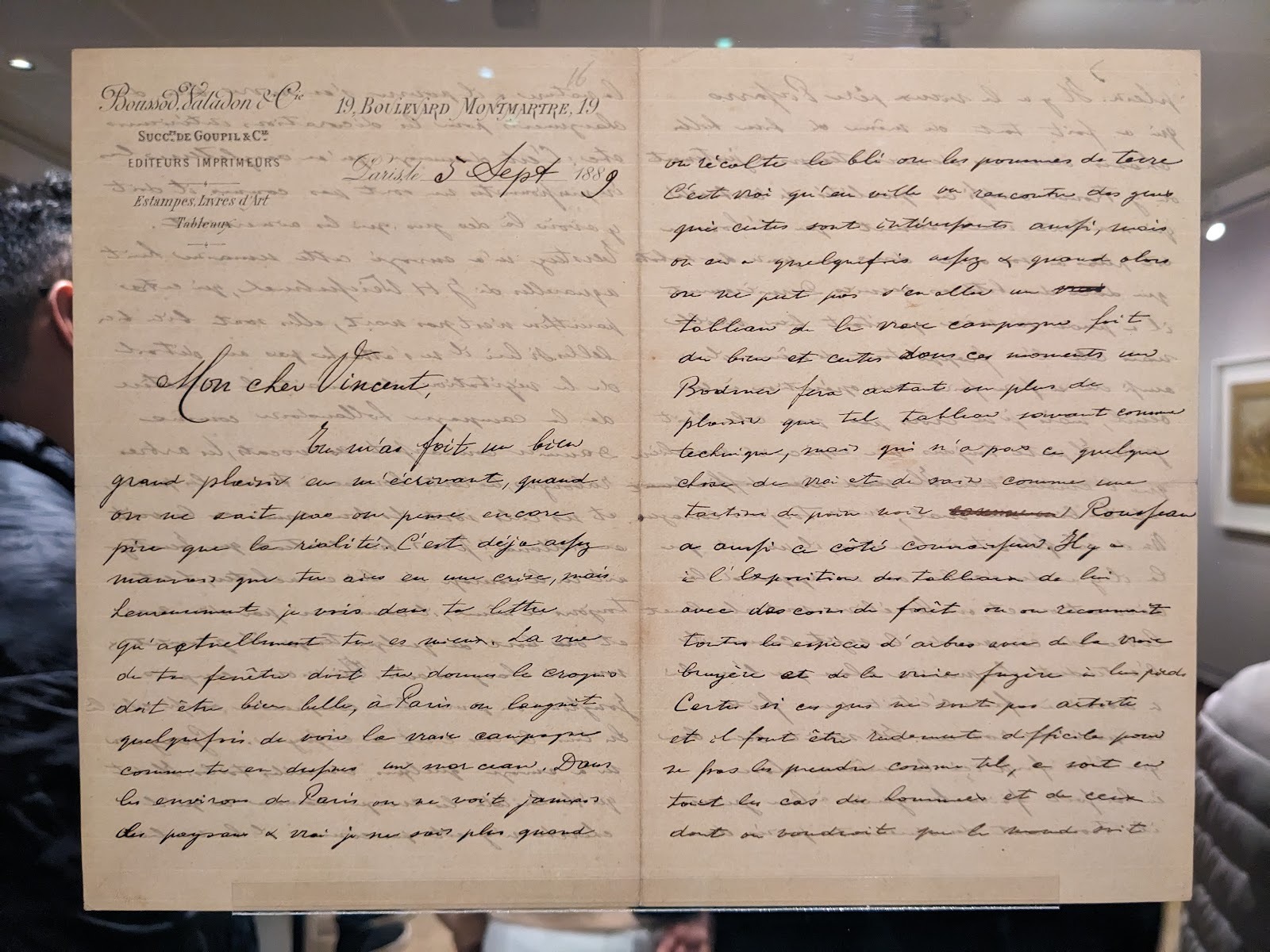
- Text Segmentation: The detected text is divided into individual lines of text, words, or even characters. The latter can be extremely tricky in the case of handwritten text written in cursive style, even for huge models such as the ones used by Gemini or ChatGPT.
- Text Recognition (this is where the actual transcription magic happens):
- Machine Learning Models: Deep learning models, particularly Convolutional Neural Networks (CNNs) and Transformers are widely used to recognize patterns in text, enabling accurate character identification even in complex fonts.
- Intelligent Character Recognition (ICR): A form of OCR that is specifically designed for handwritten text, ICR adapts to various writing styles, making it a valuable tool for transcribing handwritten documents.
- Machine Learning Models: Deep learning models, particularly Convolutional Neural Networks (CNNs) and Transformers are widely used to recognize patterns in text, enabling accurate character identification even in complex fonts.
This layered approach improves robustness of OCR systems, particularly when dealing with noisy or poorly scanned images. However, since each step can introduce errors, this is not the preferred approach nowadays when, due to the larger computational capacity and the use of new architectures, models are capable of dealing with full pages and resolving multiple downstream tasks at a time, such as key-value information extraction, text segmentation, or other document understanding-related tasks.
Key Applications – Finance, Healthcare, Retail, Logistics
OCR is revolutionizing industries with its ability to extract valuable data from both structured and unstructured sources:
- Banking and finance: OCR automates the extraction of data from invoices, bank statements, and receipts. This reduces manual entry errors and accelerates processes like accounts payable and fraud detection.
- Insurance: OCR helps process claims, policy documents, in order to extract relevant information.
- Healthcare: OCR is pivotal in digitizing patient records, making medical histories accessible in real time, enhancing care, and enabling regulatory compliance.
- Retail: By automating the cataloging of products from their packaging, OCR helps manage inventories, update product listings, and optimize supply chain operations.
- Logistics: OCR-driven systems scan shipping labels, barcodes, and manifests to streamline operations and reduce human intervention in tracking packages.
- Libraries and other archives: Huge digitalization efforts have been done during the past 15 years to digitize libraries and other archives such as civil registries in several countries. However, these scanned documents have been only partially transcribed, preventing broader text-search capabilities.
- Government: OCR is being used to process birth certificates, driving licenses, passports, visas, and other official documents both for archiving and for identity verification.
At Digital Sense, we've implemented OCR solutions across multiple sectors. For instance, we helped Prepaid2Cash enhance their user experience and card entry workflow, by developing a custom OCR component for flat (printed) card recognition that used deep learning and image processing.
Our team has also worked on exploring the domain-adaptability of state-of-the-art HTR models. Such is the case of Natalia Bottaioli and Javier Preciozzi’s work, who used the adapted version of a model initially trained to transcribe letters written in French, to do key-value information extraction on handwritten documents in Spanish. Their work was presented at a workshop at the International Conference on Document Analysis and Recognition (ICDAR) in 2024, and continues to be developed further.
This demonstrates the immense potential of OCR in automating complex workflows. Explore our case studies here.
Benefits & Challenges
Benefits
- Efficiency: Automates tedious data entry tasks, cutting down on labor-intensive work.
- Cost-Effectiveness: Reduces operational costs related to manual processing.
- Accuracy: Minimizes human error, particularly in environments that require high precision.
- Document Accessibility: Makes paper-based records searchable and editable, which is crucial for knowledge management.
Challenges
- Data Quality: OCR accuracy heavily depends on the quality of the input images. Poor-quality scans can result in errors.
- Complex Layouts: Handling documents with unusual layouts, multi-column formats, or non-standard fonts is still challenging.
- Handwriting: While ICR improves accuracy for handwritten text, it’s still not flawless, particularly with cursive or stylized handwriting.
Comparison – OCR vs. ICR, NLP, and Computer Vision-Based Text Extraction
Future Trends – AI-Powered OCR, RPA Integration, Real-Time OCR
The future of OCR is intertwined with advancements in AI, which will drive more efficient and adaptive systems:
- AI-Powered OCR: OCR continues to leverage AI techniques, including reinforcement learning and neural networks, to improve adaptability and performance in real-world environments.
- RPA Integration: By combining OCR with Robotic Process Automation (RPA), organizations can automate end-to-end processes, from document capture to decision-making.
- Real-Time OCR: Advances in computational power will enable real-time OCR capabilities, particularly in industries like security, augmented reality, and live translation.
Conclusion
OCR is no longer just a tool for text extraction; it has evolved into an integral component of AI-driven business automation. The ability to convert physical text into editable, searchable data has far-reaching implications for operational efficiency, accuracy, and cost reduction.
As OCR continues to advance, its role in industries like finance, healthcare, retail, and logistics will expand, providing organizations with an opportunity to optimize workflows and unlock new levels of automation.
Explore Digital Sense’s innovative AI solutions and discover how we can help you integrate OCR into your business processes for enhanced productivity and efficiency. Learn more here.



.jpg)